Two quick advertisements + something about demos
Two quick advertisements + something about demos
First advertisement
The Postlight newsletter has been a little sporadic these last two weeks.
That’s because we’re busy—and growing. And hiring. If you’re a designer, product manager, or engineer looking for a sane place to hone your craft and do good work, we’d love to hear from you. We’re in NYC, but we have a large US-based remote team. Any questions? Send an email to contact@postlight.com.
Second advertisement
- Karen McGrane is coming to talk. Tomorrow! She’s a world-famous expert in adaptive web content and can tell you exactly what’s wrong with your CMS.
- We’re launching a new product called POSTLIGHT MERCURY. It helps with creating mobile content. Tomorrow’s podcast (we pushed it back a day to coincide with the event) will explain what that’s all about—and we’ll explain more about Mercury in person after Karen’s talk.
- All of it starts at 6:30PM at our offices. RSVP!

The actual newsletter: How to watch a demo
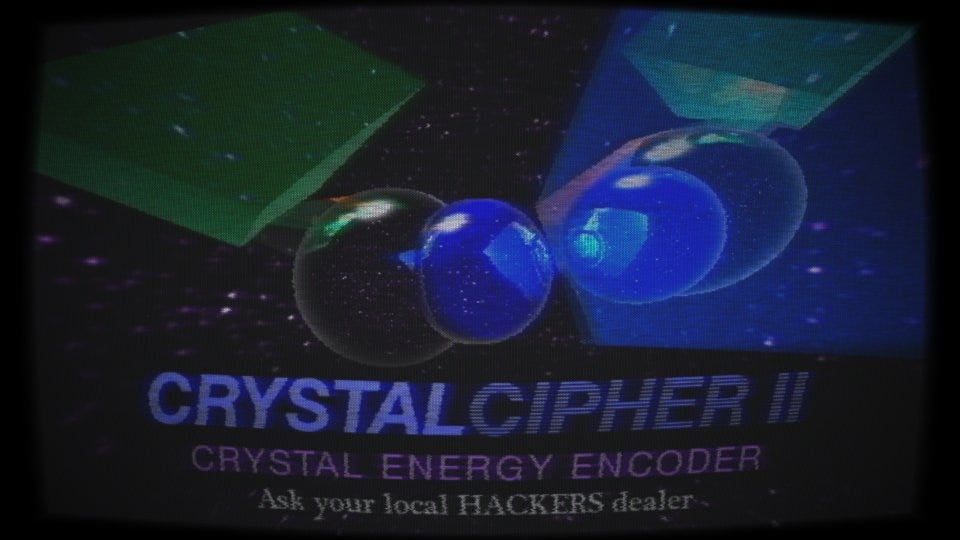
Last week Andy Baio, the Internet’s best friend, linked to a terrific collection of demoscene demos. What is the demoscene? Wikipedia says:
The demoscene is an international computer art subculture that specializes in producing demos: small, self-contained computer programs that produce audio-visual presentations. The main goal of a demo is to show off programming, artistic, and musical skills.
Reading that definition you might get the wrong idea—that a demo can “produce audio-visual presentations” is accurate but the intended effect is not the same as a film or, even, say, a PowerPoint. In a successful demo the audience asks, how the hell did they do that under the insane, proscribed limits? The aesthetic rules are unique to the medium. Narrative? Sometimes, but just as often a demo might look like the opening credits to a sci-fi film. Or it might feature a million things rotating in 3D while a woman’s face hovers in space. The most important thing a demo can do is impress the hell out of other people in the demoscene.
Demos have been around for decades, but the scene with the most traction right now seems to be around 64k Windows demos. Meaning that the entire demo — images, code, etc—needs to fit inside 64 kilobytes, and run on a Windows machine. Most images on the web are bigger than 64k. Click the picture below to see an example video of what can be done in that tiny space. (Warning: Very campy attempt to create dramatic mood.)
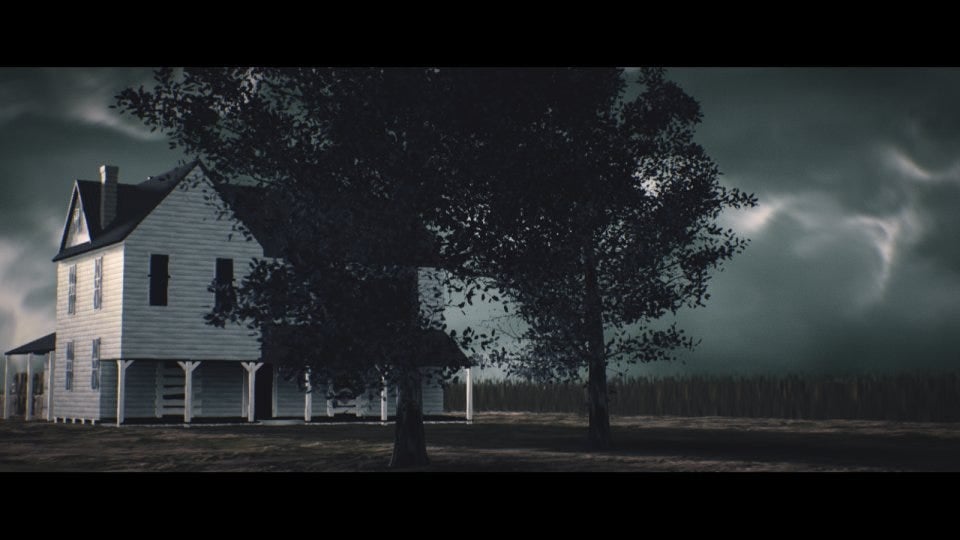
So it’s campy, but it’s also wild that they could do that using an emails-worth of code. When I watch a demo I look for four things:
- Repetition. Because demos are created using as little code as possible, they have to use and re-use the same elements over and over again. The pillars holding up the house, the way the leaves work—all of these are the same pieces of code, applied lots of different way. Good demos fit together like a puzzle.
- Interacting objects. A good demo starts simple but can end up with eight billion things just flapping all over the screen, constantly bumping into each other and smashing each other, or melting into each other. Demo creators want to demonstrate their mastery over the computer, and making a zillion polygons smash into each other is one way to do that.
- Effects. From the earliest days there have been effects—bouncing text, color-cycling flames—that define demos. Modern demos are often 3D and the effects are often surprisingly retro; there’s a definite tendency to make things look a little blurry, or like they appear on a VHS cassette.
- Sudden and dramatic change. This is hard to articulate but in a good demo things are kind of rolling along and you’re thinking, hmm, this is interesting, and then suddenly a zillion things explode all over the place and the screen starts blinking and the music changes and all the mushrooms have faces. This is the moment when everyone watching is supposed to go, what the?
It’s interesting to watch people watch these things.
. They talk throughout (in a Nordic language, I think), and chat about what they are seeing on screen. They clap for certain images and patterns. The cultural rules about what is awe-inspiring are a little different in the demoscene. It’s interesting.Demos are pretty nerdy and they can be really weird to watch. They force you to think about what the computer is actually doing, and what it could be doing.
You can poke around pouët.net to see some of the infinite varieties, or check out the archives . You can run them on virtual machines. Or you can watch perhaps the craziest demo of all time, “8088 MPH,” in which someone made an IBM PC from 1981 perform bizarre, colorful acts of display and animation that behoove a computer of much later vintage. It was released in 2015—a gap of 34 years.