Our Gently Aging Avatars
Our Gently Aging Avatars
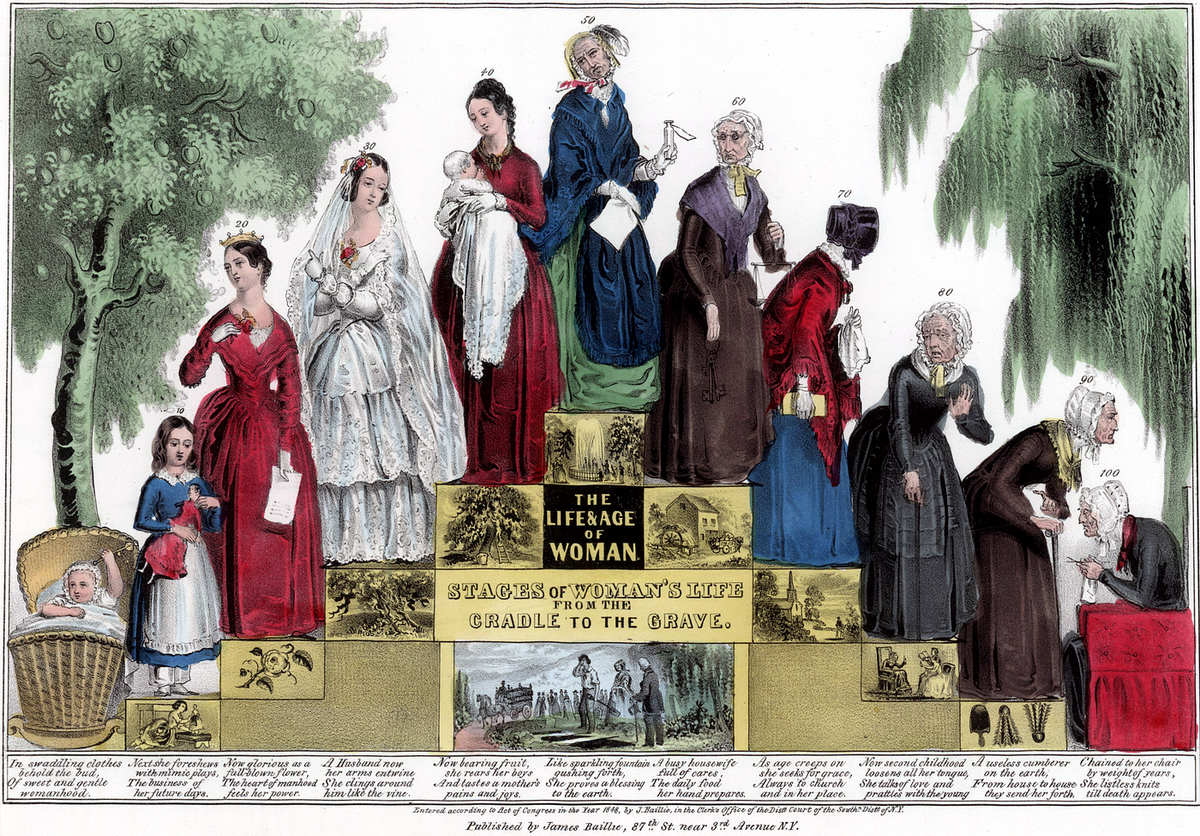
Every week or so someone I know on social media, but not in my daily life, updates their avatar, and suddenly they’re three or four years older than they were the day before. Some of these people I’ve known for 20 years, and it’s happened several times. Sometimes there’s obvious cropping of the picture; a chin once prominently displayed is surprisingly hidden by the above-the-head shot. The hair is gray, or suspiciously lustrous.
Normally, the way my brain works, I’d simply see those avatars change and think about how the Internet constantly brings us closer to death, then leave it at that. But oddly I truly enjoy witnessing the process of avatar aging. There’s always the tiny moment of shock as you see a proto-jowl where before there was smooth skin. Whoa! But I haven’t seen them in years! That’s what happens. The dyed orange hair is brown, or the bushy natural do is replaced by a shiny bald head; the former Adonis has a salt-and-pepper beard and a toddler on his knee. Former bassists may still be wearing overalls but it’s less to be adorable and more about gardening. Piercings are put aside.
Social networks don’t solve for aging. But I’ve got 20 years of email secured away, I’ve been on LinkedIn almost 15 years (5,376 days that I feel in my bones), and I’ve been part of Twitter for over 5 million Twitter years. I have lifelong relationships with Apple, Microsoft, and Adobe. None of these big platforms seem to understand that I’m not 25.
Now this is not the case with other industries, which understand that people are different at 15, 20, 25, 30, etc. Real estate, for example, won’t sell me a timeshare at 15. Media has different magazines for different kinds of people. Health care is keenly aware of how age impacts humans. Even the Beef Council knows that humans have many different beef interactions. Then again, digital products are mostly built by young people. Every now and then they see someone cleaning the campus-office cafeteria and think, “I should get a mentor.”
There are many cultures of software development. Or maybe it’s better to call them “ethos”. The ethos of product design is to create that one, true universal version of a product that encompasses every use case. But the ethos of online advertising delivery is to meet people (or chase them) where they are. It’s infinitely adaptive.
Big platforms seek to be one-size-fits-all, but ad networks know just how likely you are to buy a car, go back to college, purchase a new bandsaw, or buy insurance for your kids. The ad systems are more reactive to your actual life status than the products that make room for ads. It’s oddly inverted. It’s weird that these two systems have to live together in singular experiences. You’d think the products would care more.