It’s only on Thursdays, when I warm up at home before walking to my piano teacher‘s apartment for a lesson, when I realize just how badly I’ve been lying to myself all week. ➛
Ftrain, by Paul Ford
20 Most Recent
Despite how it sounds, superfluous is actually the worst kind of fluous. ➛
Father Brendan McGuire: Bringing AI to Church
How is Silicon Valley engaging with ethics and religion today—and how is the Catholic Church responding to AI? On this week’s episode, Paul and Rich welcome on Father Brendan McGuire, a former engineer and current Catholic priest who serves at St. Simon Parish in Los Altos, California, aka the heart of Silicon Valley. He discusses his long work speaking between the tech industry and the Church, as an advisor to Anthropic as well as an early commenter on Pope Leo’s recent encyclical on AI, “Magnifica Humanitas.” (Don’t worry, Paul asks the question on everyone’s lips: In what file format does a pope distribute early copies of an encyclical?)
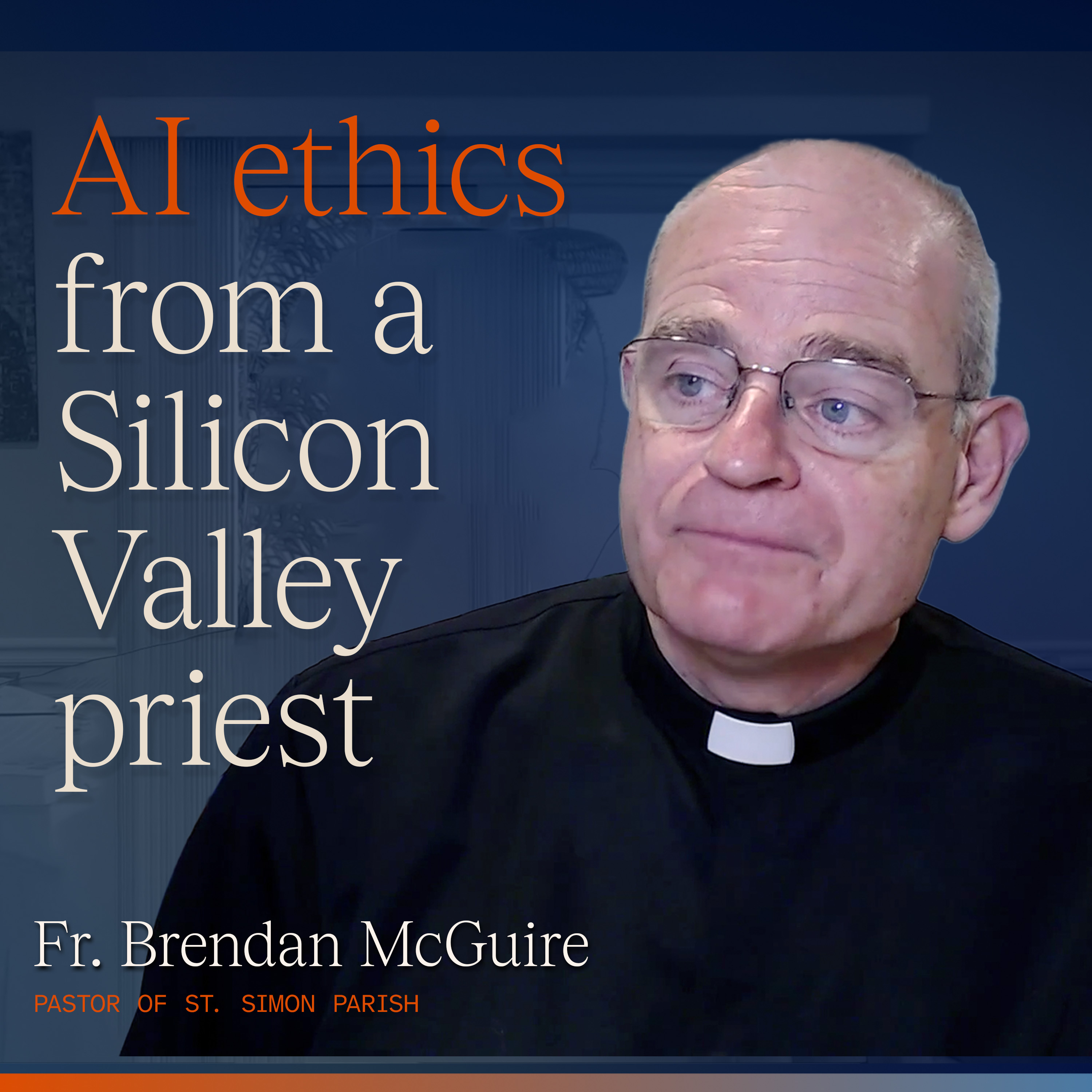
How is Silicon Valley engaging with ethics and religion today—and how is the Catholic Church responding to AI? On this week’s episode, Paul and Rich welcome on Father Brendan McGuire, a former engineer and current Catholic priest who serves at St. Simon Parish in Los Altos, California, aka the heart of Silicon Valley. He discusses his long work speaking between the tech industry and the Church, as an advisor to Anthropic as well as an early commenter on Pope Leo’s recent encyclical on AI, “Magnifica Humanitas.” (Don’t worry, Paul asks the question on everyone’s lips: In what file format does a pope distribute early copies of an encyclical?)
I finally found the spawn point.
 ➛
➛
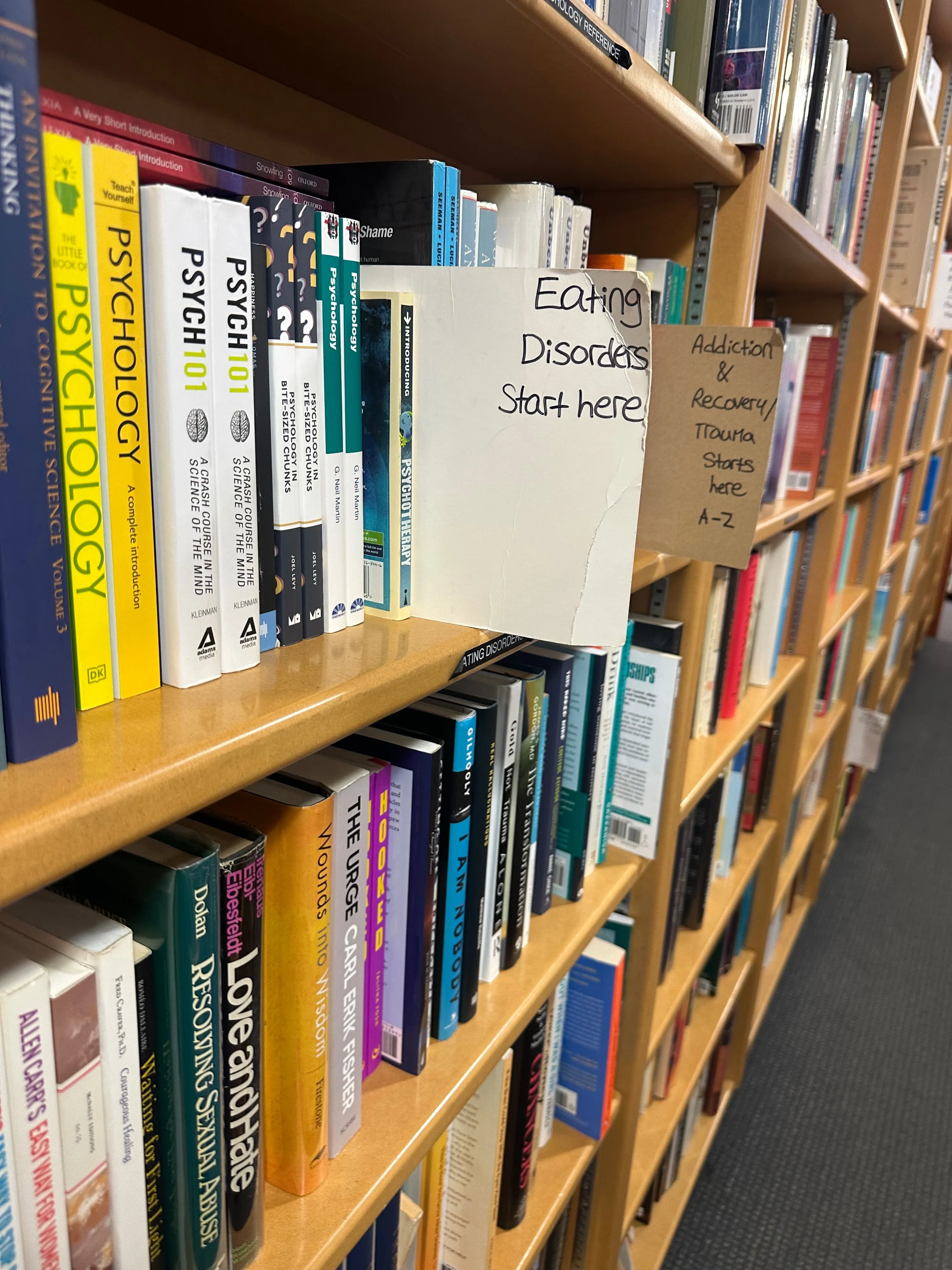
Alt Text: A bookstore bookshelf with a bunch of psychology books; a sign says “Eating Disorders Start here.”
Claude told me he dreamed of blue turtles which means the Stingularity is near. ➛
Library-focused event next week @ the Aboard office, featuring @hadro.bsky.social, regarding the intersection of The Most Forbidden Subject (LLM-based AI) and The Most Beloved Subject (librarianship and open access). Free, open, friendly, snacks. luma.com/aboard-p9g1 ➛
Fun @archive.org artifact: An album by Sol Babitz explaining (with examples) why baroque music was being played so, so wrong. He would get so passionate on the subject at musicology colloquiums that police would intervene. Also his daughter was Eve Babitz.
archive.org/details/lp_t... ➛
archive.org/details/lp_t... ➛
It finally happened. BBC News Pidgin did a story about a pigeon. www.instagram.com/reel/Da3ouR7... ➛
Toronto is beautiful this time of year.
 ➛
➛
Alt Text: The tip of a plane wing over an orange gray sea of wildfire fog. Nothing else to see.
AI Unicorns Don’t Exist
Silicon Valley “disruption” is at odds with the way software creation actually works—and that’s a problem. On this week’s podcast, Paul and Rich discuss Rich’s recent Aboard newsletter installment, “Maybe the Valley Could Listen a Little.” about how the dream of an “AI unicorn” who can use these tools to build a product all by themselves is a total fantasy. AI companies are promising revolutionary transformation across industries, but are they mostly just plastering over fundamental issues in processes and systems?
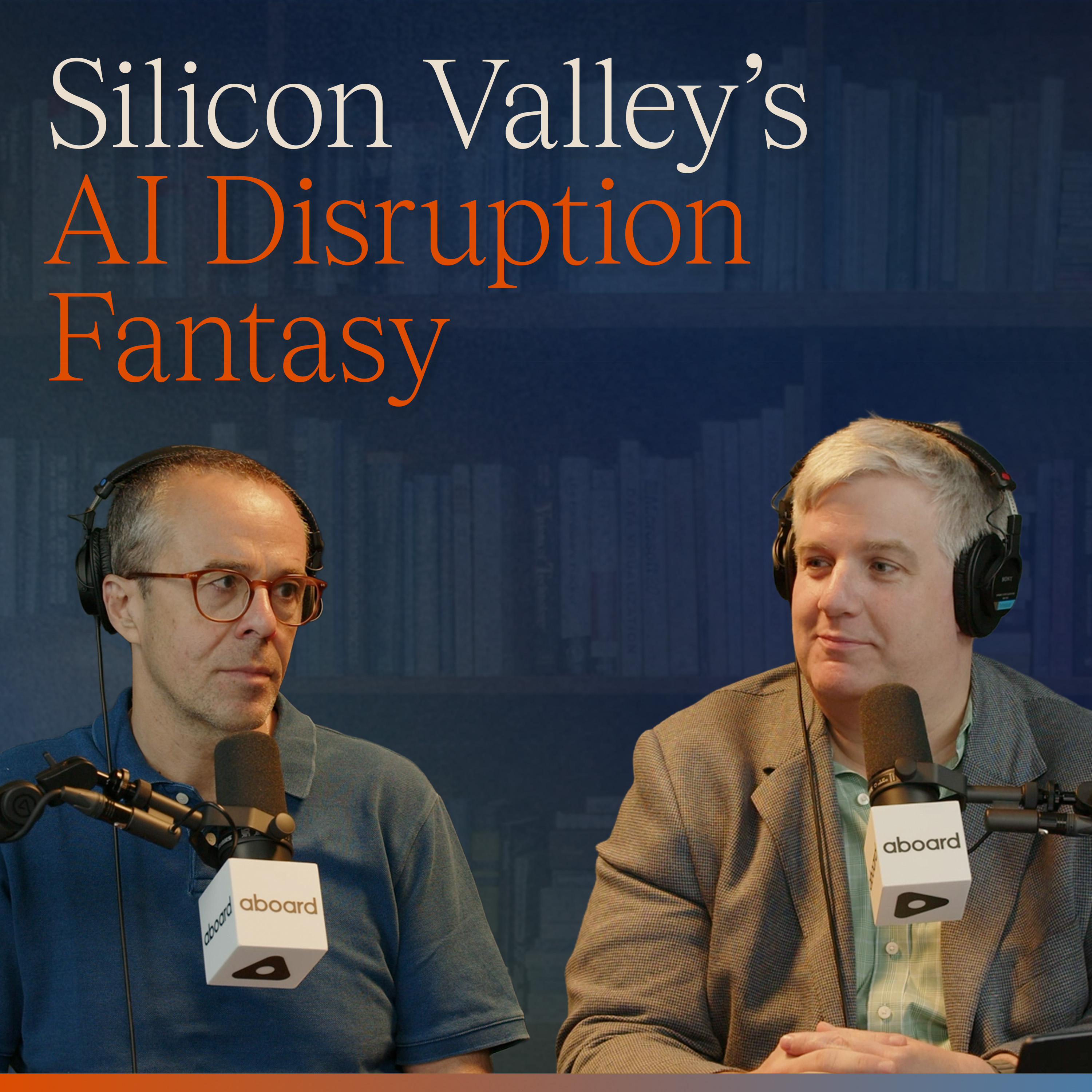
Silicon Valley “disruption” is at odds with the way software creation actually works—and that’s a problem. On this week’s podcast, Paul and Rich discuss Rich’s recent Aboard newsletter installment, “Maybe the Valley Could Listen a Little.” about how the dream of an “AI unicorn” who can use these tools to build a product all by themselves is a total fantasy. AI companies are promising revolutionary transformation across industries, but are they mostly just plastering over fundamental issues in processes and systems?
I rewatched Citizen Kane a few weeks ago and by modern plutocrat metrics he seems basically fine. ➛
This is kind of a juicy lawsuit with all kinds of alleged skulduggery. It will be interesting to watch.
9to5mac.com/2026/07/10/a... ➛
9to5mac.com/2026/07/10/a... ➛
I didn't know this was out! This is gonna be REALLY GOOD.
[Quoted post]➛
god this is good www.youtube.com/watch?v=y9MT... ➛
John Herrman: The Declawing of OpenClaw
OpenClaw sprung up overnight—and seemed to fade just as quickly. What does that suggest about AI more broadly? On this week’s podcast, Paul and Rich are joined in the studio by New York Magazine tech reporter John Herrman, whose long career covering all corners of the industry has, like the rest of his peers, recently shifted to all AI, all the time. They discuss his piece for the magazine on OpenClaw—titled “My Adventures With ‘The AI That Actually Does Things’”—before pulling back the lens to look at AI on a whole. Plus: They take a brief diversion into the story John wrote immediately after his OpenClaw reporting, “The Mystery of 'Human Meat' for Sale on Temu.”
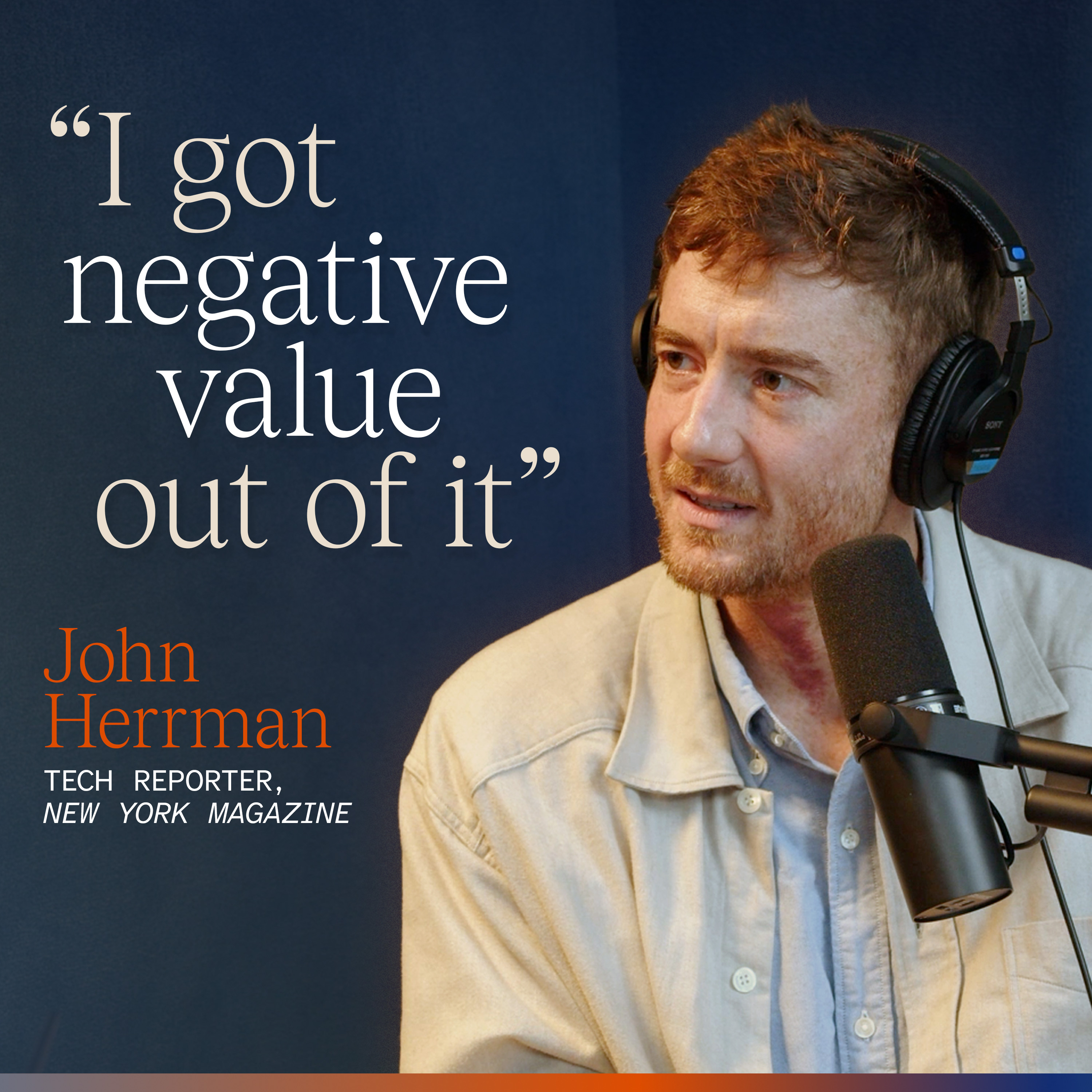
OpenClaw sprung up overnight—and seemed to fade just as quickly. What does that suggest about AI more broadly? On this week’s podcast, Paul and Rich are joined in the studio by New York Magazine tech reporter John Herrman, whose long career covering all corners of the industry has, like the rest of his peers, recently shifted to all AI, all the time. They discuss his piece for the magazine on OpenClaw—titled “My Adventures With ‘The AI That Actually Does Things’”—before pulling back the lens to look at AI on a whole. Plus: They take a brief diversion into the story John wrote immediately after his OpenClaw reporting, “The Mystery of 'Human Meat' for Sale on Temu.”
If I was ordered to throw a party where all-powerful extradimensional lizards in human form could gather in the middle of a great city during a huge quarter-millennial national festival, culminating in human sacrifice, I'd plan it EXACTLY like Taylor Swift's wedding at Madison Square Garden. ➛
This TPS ruling will cause endless pain to good communities. ➛
Not my Congressional district but it’s really good to see him landing a new job tonight.
[Quoted post]➛
Traci Donnelly: Using AI to Make an Impact
How should nonprofits actually be using AI? On this week’s episode, Paul and Rich are joined in the studio by Traci Donnelly, the CEO of The Child Center of NY and the founder and president of Make An Impact—and a client of Aboard. After discussing these orgs’ missions, they dive into AI: Traci’s early embrace of the technology, how these tools can transform work in the sector, and the importance of not allowing human-to-human interactions to be supplanted by bots.
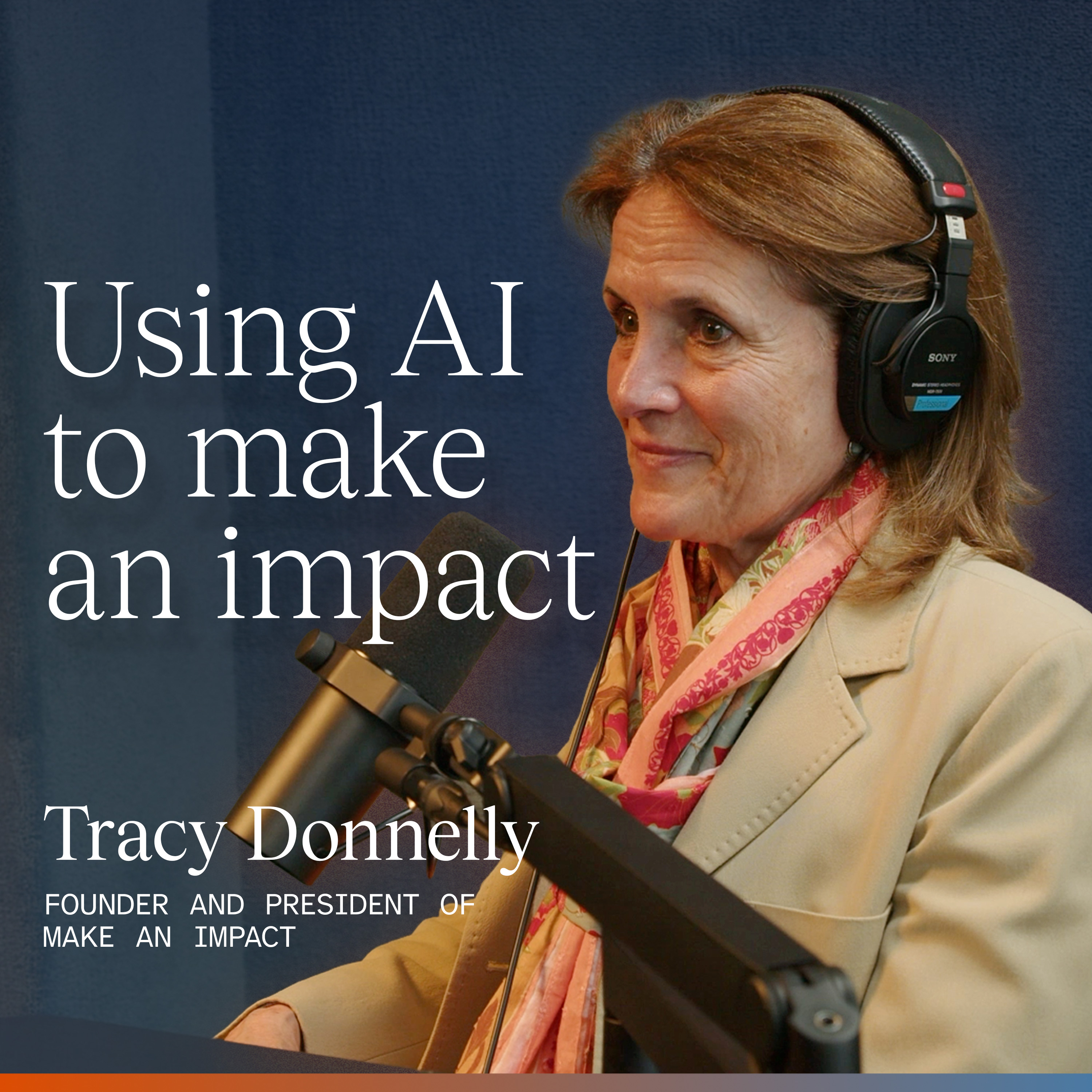
How should nonprofits actually be using AI? On this week’s episode, Paul and Rich are joined in the studio by Traci Donnelly, the CEO of The Child Center of NY and the founder and president of Make An Impact—and a client of Aboard. After discussing these orgs’ missions, they dive into AI: Traci’s early embrace of the technology, how these tools can transform work in the sector, and the importance of not allowing human-to-human interactions to be supplanted by bots.
The NYC vibes ARE impeccable. Our mayor visits Rikers; we have the Knicks AND the Liberty. Wholesomeness has infected at least four boroughs. This is DANGEROUS. We need to get grumpy ASAP to restore balance, or a guy will have an episode, get on the R train with a scimitar, and behead five nuns. ➛