Huh. I've been thinking about what makes great software for a while. medium.com/message/the-... ➛
Ftrain, by Paul Ford
20 Most Recent
I feel like I am constantly inventing new ways to convince my kids to do the laundry, eat lunch, or leave the house, endless variations on the same things like some sort of stochastic parent. ➛
You know the Milgram experiment where people hit a button and heard people screaming in the other room but they kept doing it because they felt they had to? That’s actually how posting works on here. ➛
Everyone else is worried about the AI apocalypse but I’ve been hearing about that for 30 years and I can’t get very worked up any more. For me the question is: If these things can code (and they can!) then why aren’t we seeing any great software?
www.nytimes.com/2026/09/12/o... ➛
www.nytimes.com/2026/09/12/o... ➛
looks like the singularity is here folks
 ➛
➛
Alt Text: A terminal transcript from Claude Code. It reads: Ran 1 shell command Monitor event: "Wait for the in-flight crawl, then take the final dump"
I wish David Bowie was alive to narrate this moment back to us. I just think he'd have it nailed. ➛
On the bright side, if the robots kill us all, it means that your sworn enemies are in for it too.
[Quoted post]➛
I vibed up a weird music screensaver a month ago, but I kept thinking, “What if it was an imaginary failed 90s arranger keyboard called the Stellate that generated music in 500 genres?” So this is an imaginary web port of that. It's a mess, but I keep laughing at it. Exports to Ableton. stellate.app ➛
The Library Innovation Lab at Harvard University: “Binoc is a command-line tool and library that, given two snapshots of a dataset, efficiently summarizes the differences between the two snapshots in a human-readable changelog.” lil.law.harvard.edu/blog/2026/07... ➛
AI Versus…Talking to People?
Problems with your boss? Why not fire up Claude and hit HR with a lengthy legalistic complaint? On this week’s episode, Paul and Rich look at the erosion of human-to-human communication in the AI era, springboarding off a friend’s anecdote about employees sending official-sounding LLM-generated documents to HR rather than starting with simple conversations. AI tools allow us to flood each others’ inboxes. Is that making it impossible to truly communicate?
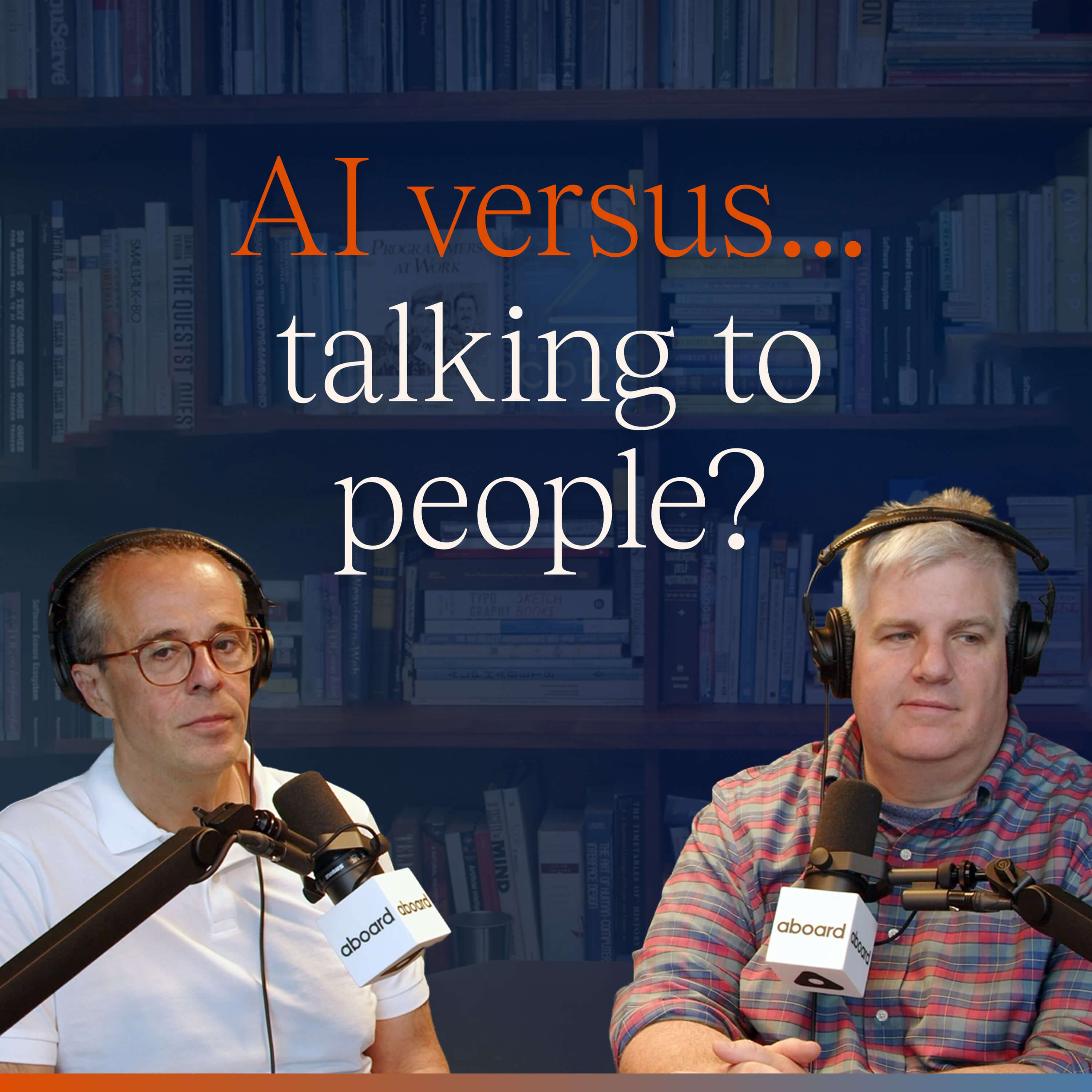
Problems with your boss? Why not fire up Claude and hit HR with a lengthy legalistic complaint? On this week’s episode, Paul and Rich look at the erosion of human-to-human communication in the AI era, springboarding off a friend’s anecdote about employees sending official-sounding LLM-generated documents to HR rather than starting with simple conversations. AI tools allow us to flood each others’ inboxes. Is that making it impossible to truly communicate?
Bluesky provides a mobile web view that runs great on my four-year-old phone and never pushes me to download an app. That is special and appreciated and I hope it continues. ➛
If you’re a Flatbush-area mutual aid type, this self-organizing distro happens every Friday at 5PM across the street from Kings Theatre. If you want to help show up and hand out food or clothes, or just donate via Venmo. Or cook!

 ➛
➛
Alt Text: FLATBUSH FOOD and CLOTHING DISTRIBUTION Every Friday 5 - 6 p.m. Outside 1024 Flatbush Ave Join us for free hot meals, drinks, clothing, toys, hygiene products, and more! Feel free to bring stuff to share! DONATE: @Flatbush-Neighbors on Venmo
Alt Text: DISTRIBUCIÓN DE COMIDA Y ROPA EN FLATBUSH Cada viernes desde 5 a 6 de la tarde Afuera de 1024 Flatbush Ave ¡Únete a nosotres para comida caliente preparada, bebidas, ropita, juguetes, productos higiénicos y más! ¡También siempre se aceptan donaciones para compartir con otros! DONAR: @Flatbush-Neighbors Venmo
We're doing an event September 15 with the brilliant Julia Stoyanovich of NYU, who is trying to get all these bots under control. NYC, free, snacks! en.wikipedia.org/wiki/Julia_S...
luma.com/aboard-qmfz ➛
luma.com/aboard-qmfz ➛
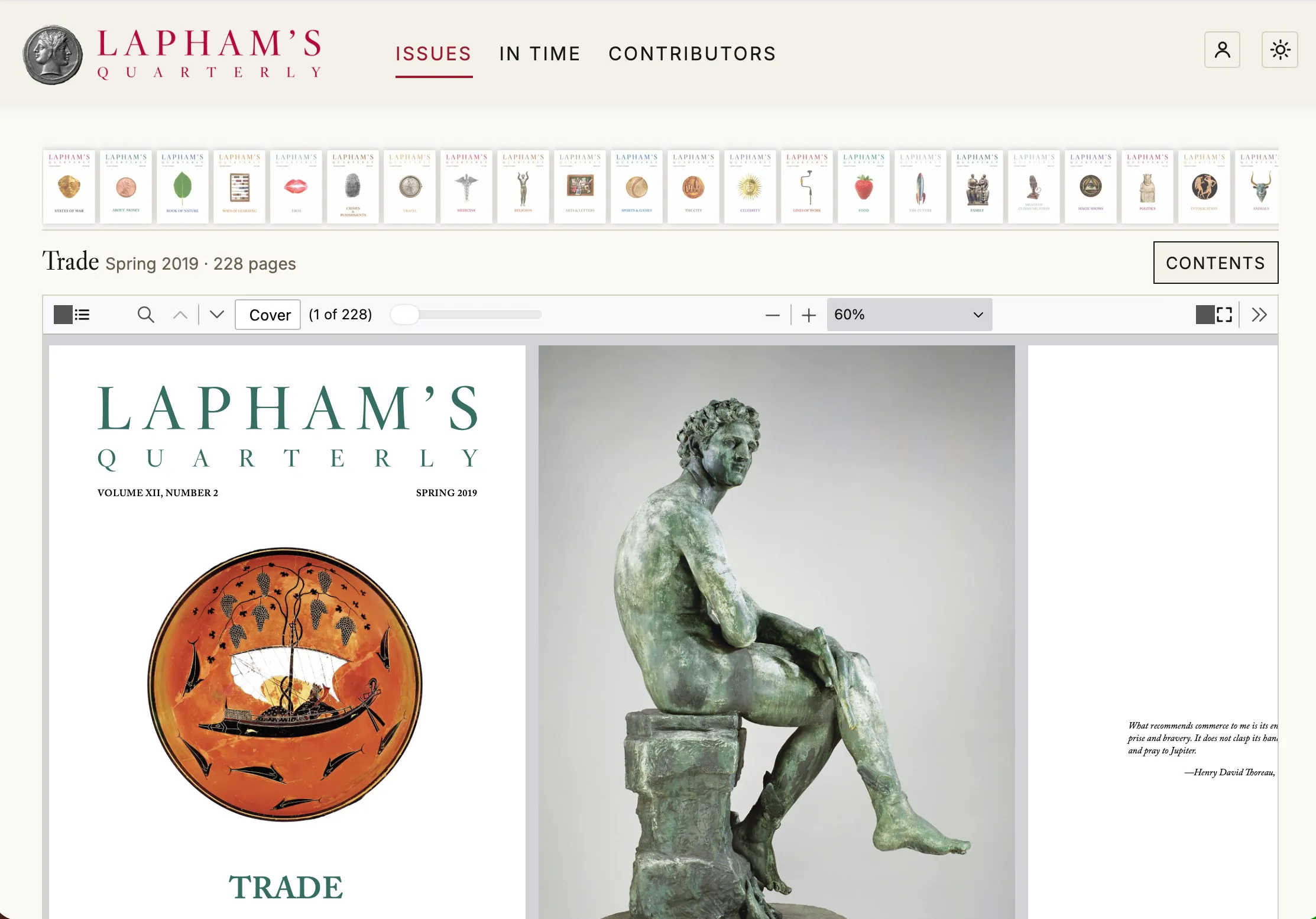
A neat project at work: We built an archive for Lapham's Quarterly as part of its (gradual, ongoing) relaunch—full access if you subscribe. It's been nice to see and read it again. Ping if you find bugs. archive.laphamsquarterly.org (they relaunched temporarily at laphamsquarterly.substack.com).
 ➛
➛
Alt Text: A PDF viewer showing the cover of Lapham's Quarterly with a trading vessel, and a Greco-Roman sculpture on the next page. Tons of issues above, typical web nav. It's supposed to be a very accessible site but it's tricky working with PDFs so we did the best we could.
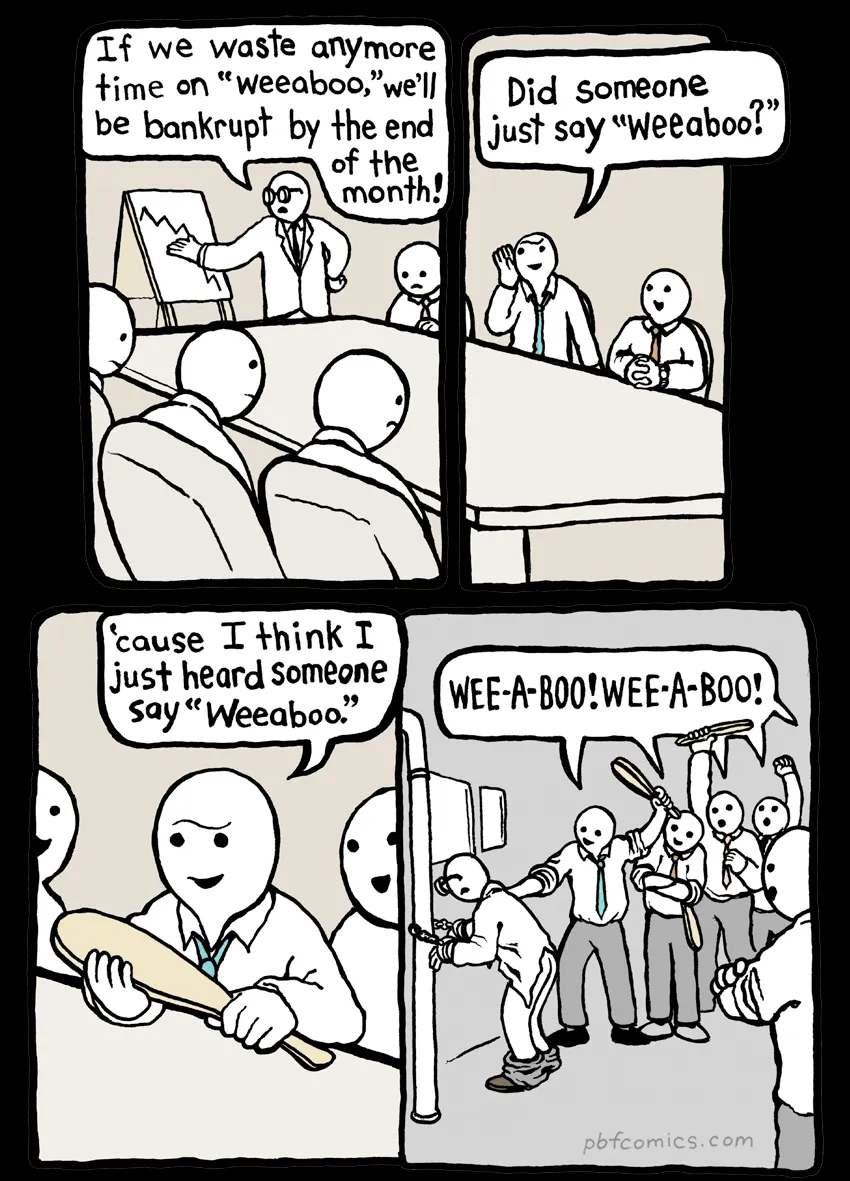
I firmly believe all online discourse reduces to this Perry Bible Fellowship comic. pbfcomics.com/comics/weeab...
 ➛
➛
Alt Text: Cartoon. Man standing at a chart: If we waste anymore time on "weeaboo," we'll be bankrupt by the end of the month! Random other guy: Did someone just say "Weeaboo?" (Now holding a paddle.) Cause I think I just heard Someone say "Weeaboo" Now and crowd is lined up with paddles chanting “WEE-A-BOO! WEE-A-BOO!” And the original speaker is tied to a pipe with his pants down about to get smacked.
The humans do this ceremony where they enter a dark room and are forced to account to some sort of priest for their past transgressions, and every time they speak they must eat a poison meat that causes them incredible pain. That is how I think an alien would see Hot Ones. ➛
Josh Tyrangiel: Media, Moats, and Middle School
All the investors are flocking to the Silicon Valley giants, but where is AI really making a difference on the ground? On this week’s episode, Paul and Rich welcome back writer and editor Josh Tyrangiel to talk about his new book, AI for Good: How Real People Are Using Artificial Intelligence to Fix Things That Matter. From hospitals to classrooms to the IRS, Josh has been chronicling the ways large and small that people are using AI to transform their fields. Plus: A discussion of the past, present, and future of the media industry, including that time Josh put airplanes having sex on a major magazine cover.

All the investors are flocking to the Silicon Valley giants, but where is AI really making a difference on the ground? On this week’s episode, Paul and Rich welcome back writer and editor Josh Tyrangiel to talk about his new book, AI for Good: How Real People Are Using Artificial Intelligence to Fix Things That Matter. From hospitals to classrooms to the IRS, Josh has been chronicling the ways large and small that people are using AI to transform their fields. Plus: A discussion of the past, present, and future of the media industry, including that time Josh put airplanes having sex on a major magazine cover.
Not seeing much mention in the discourse of Hard Candy Christmas, a modern holiday classic. youtu.be/bvK1F6bUrzU?... ➛
It’s Fun to Ship Software
It’s unrestrained summer fun, Paul Ford-style: Using AI tools to actually ship some software. On this week’s podcast, Paul shows Rich his recent vibe-coded project, Stellate.app, which visualizes whimsical, made-up musical genres and plays the corresponding electronically generated music. (Don’t worry: You’ll get to hear some!) This might have been a fun summer project, but what did Paul learn building it—and, importantly, getting it out into the world?
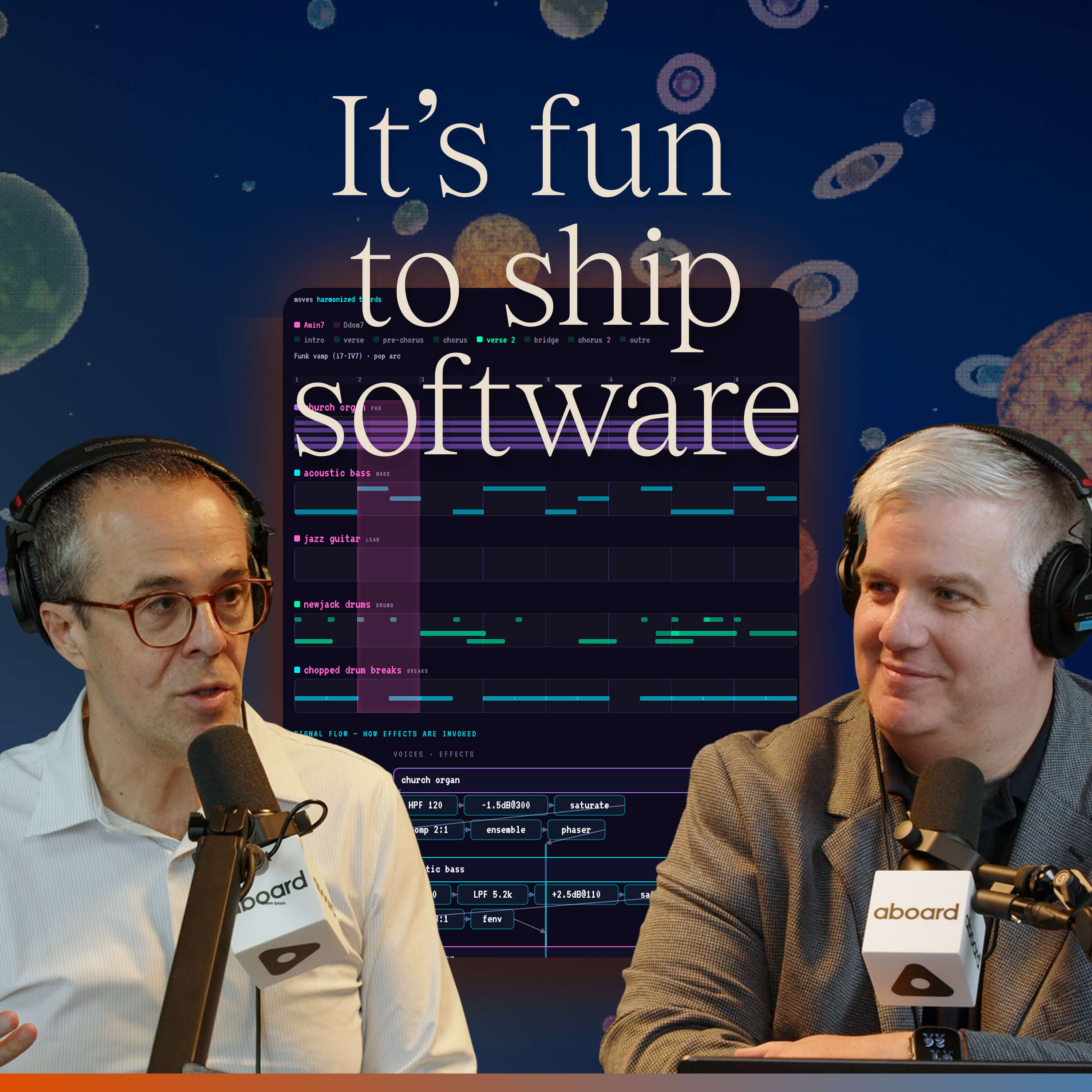
It’s unrestrained summer fun, Paul Ford-style: Using AI tools to actually ship some software. On this week’s podcast, Paul shows Rich his recent vibe-coded project, Stellate.app, which visualizes whimsical, made-up musical genres and plays the corresponding electronically generated music. (Don’t worry: You’ll get to hear some!) This might have been a fun summer project, but what did Paul learn building it—and, importantly, getting it out into the world?
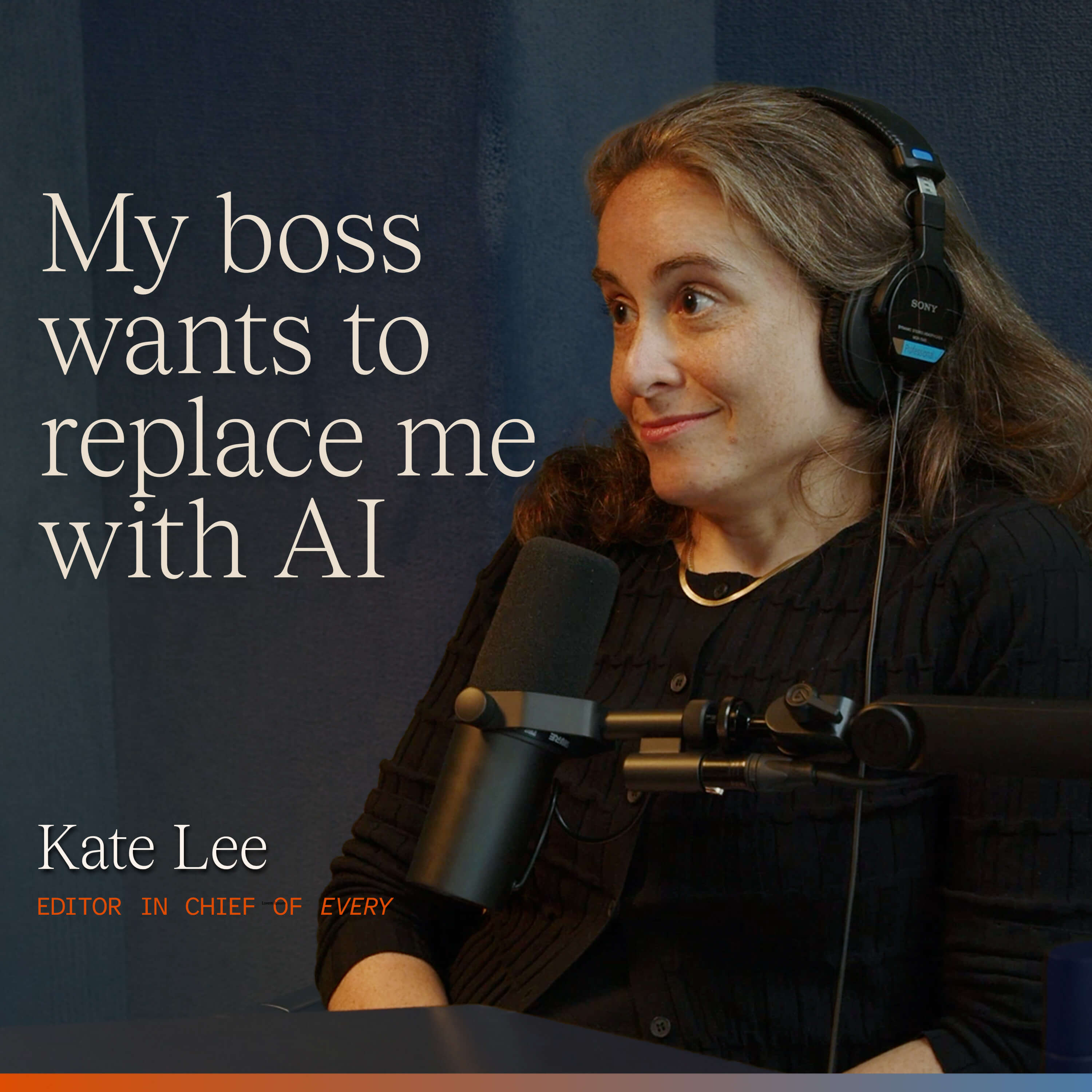
Kate Lee: Can AI Replace Editors Like Me?
What would you do if your boss said he wanted your help to automate away your job? On this week’s episode, Paul and Rich are joined by Kate Lee, the editor in chief of the AI-related publication Every. Kate’s boss, Dan Shipper, has proposed just that: For the past few years, they’ve been building software to try to reliably automate major parts of the editorial process. At Every, writers and editors alike regularly use AI tools. So what does it actually look like when AI is a fundamental part of an editorial workflow?
What would you do if your boss said he wanted your help to automate away your job? On this week’s episode, Paul and Rich are joined by Kate Lee, the editor in chief of the AI-related publication Every. Kate’s boss, Dan Shipper, has proposed just that: For the past few years, they’ve been building software to try to reliably automate major parts of the editorial process. At Every, writers and editors alike regularly use AI tools. So what does it actually look like when AI is a fundamental part of an editorial workflow?